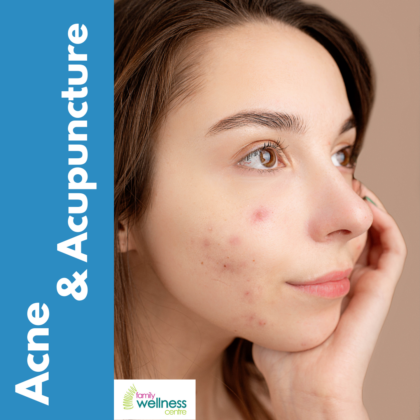
Chinese Medicine for Acne - can it help? While Western medicine offers effective treatments, Traditional Chinese Medicine (TCM) provides a natural, drug-free approach to address the underlying imbalances that contribute to acne.
This article explores the principles of TCM, its perspective on acne, and the herbal remedies and techniques it employs.
Understanding Acne in Chinese Medicine
In TCM, any skin condition is often viewed as an external manifestation of deeper internal imbalances and the same applies to Acne. These imbalances can involve excess heat, dampness, phlegm, or stagnant blood, disrupting the body's harmonious flow of Qi (energy) and blood.
I have developed 'The Teen Acne Project', a support program on Sydney's Northern Beaches.
This guided program for teens aims to manage their acne in 4-6 weeks that's natural and Chinese Herbal Medicine based, including lifestyle support. I have SEVERAL WAYS to make it EASY for your or your teen to take Chinese Herbs WITHOUT TASTE. Would you be interested?
The first step is to complete the Skin questionnaire and you can access it here.
Or email me at the clinic with the subject line "Skin"
Or of you're an adult struggling with Acne, I can work with you too. Let me explain how I work in clinic with people to improve their skin health:
A Chinese Medicine Practitioner's Role: Identifying Patterns of Imbalance
I start by talking to you in an Initial consultation to find out how long you've had Acne, how it presents and what areas are affected the most. I do an assessment with you using pulse and tongue and further questioning to get clarity. My job is to use the clues your skin is giving me to figure out the TCM pattern and then treatment plan. The main factors in Acne can be:
1. Heat: This pattern is characterised by red, inflamed pimples that can also bleed easily. It signifies an excess of heat in the body, typically related to hormonal fluctuations or dietary factors.
2. Damp and Phlegm: This pattern manifests as greasy, or excessively oily skin and pustules that are slow to heal. It is associated with poor digestion.
3. Stagnant Blood: Acne with dark, purplish, stubborn lesions suggests blood stagnation. This pattern may be linked to hormonal irregularities or emotional stress.
Because Chinese Medicine is a whole-body approach, it acknowledges each patient is different or individual and may have differing TCM patterns between two acne cases that seem exactly the same. For example one patient might have a Heat pattern Acne and another patient could have a Dampness and Phlegm pattern. My role is in making the precise diagnosis and then correct prescription of Chinese Medicine to follow each patient.
Herbal Formulas in Chinese Medicine for Acne
Some common forumals we consider to clear heat, damp and blood stagnation could be:
1. Huang Lian Jie Du Tang: This herbal formula helps clear heat and toxins from the body.
2. Lian Qiao Bai Du Pian: This formula is effective for reducing inflammation, clearing heat, and resolving toxins. It's often used for cases of acne with signs of heat and dampness.
3. Xue Fu Zhu Yu Tang: Known for invigorating blood circulation, this formula is employed when acne is associated with dark or purple spots and scarring.
Acupuncture and Acne
Acupuncture stimulates specific points on the body to restore the flow of Qi and blood. In treating acne, it can:
1. Regulate Hormones: Acupuncture can balance hormone levels, addressing one of the root causes of acne.
2. Reduce Inflammation: By promoting blood flow and reducing inflammation, acupuncture aids in healing acne lesions.
3. Stimulate Detoxification: Acupuncture supports the body's natural detoxification processes, helping to clear heat and toxins associated with acne.
4. Cosmetic Acupuncture for scarring: The refined skill of needling the face with smaller, delicate needles is called Cosmetic Acupuncture and it can be applied to patients with acne. This is an additional and advanced training outside of the standard foundations of acupuncture.
Chinese Medicine Lifestyle and Dietary Considerations for Acne
In TCM, lifestyle and diet play crucial roles in skin health. Recommendations may include:
• Balanced Diet: Emphasise whole, unprocessed foods and avoid excessive consumption of sugar, greasy or spicy foods.
• Hydration: Drink plenty of water to support proper digestion and detoxification. Herbal Teas also count as water. Examples of cooling herbal teas such as Dandelion or Peppermint are helpful in clearing the redness from the skin.
• Stress Management: Stress can add to flare ups of acne, therefore, practices like Qi Gong, Tai Chi, and meditation can help.
Traditional Chinese Medicine offers a holistic approach to acne treatment, addressing the root causes of imbalances within the body. By identifying patterns and employing herbal remedies, acupuncture, and lifestyle adjustments, TCM provides an effective and natural alternative for those seeking relief from acne. As always, consult an AHPRA registered TCM practitioner for the most accurate and personalised treatment.
References:
1. Maciocia, G. (2015). The Foundations of Chinese Medicine. Churchill Livingstone.
2. Bensky, D., & Barolet, R. (1990). Chinese Herbal Medicine: Formulas & Strategies. Eastland Press.
3. Flaws, B., & Sionneau, P. (2001). The Treatment of Modern Western Medical Diseases with Chinese Medicine. Blue Poppy Press.