Is Acupuncture and Chinese Medicine Regulated in Australia?
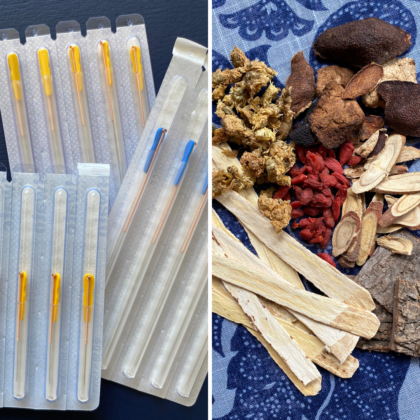
Yes. Acupuncture and Chinese Herbal Medicine are fully regulated healthcare professions in Australia.
Practitioners must be:
Registered with AHPRA (Australian Health Practitioner Regulation Agency)
Regulated by the Chinese Medicine Board of Australia (CMBA)
What does AHPRA registration mean for you, the client?
An AHPRA-registered practitioner has:
Completed approved university-level training
Met national safety and hygiene standards
Ongoing continuing professional development
Professional indemnity insurance
Clear accountability and ethical guidelines
This means you can feel confident you’re receiving professional, and evidence-informed care.
Always check that your practitioner is AHPRA registered under Acupuncture and Chinese Herbal Medicine—this protects you as a patient.
Is Dry Needling Regulated in Australia?
Dry needling itself is not a regulated profession.
It is considered a technique, not a standalone healthcare modality. Regulation depends on the practitioner’s primary profession, such as:
Physiotherapy
Chiropractic
Osteopathy
Medicine
What this means for patients:
Training standards for dry needling vary widely
Some practitioners may qualify via short, weekend courses
There is no separate national registration, title protection, or dedicated regulatory board for dry needling, unlike acupuncture and Chinese herbal medicine, which are regulated professions overseen by the Chinese Medicine Board of Australia (CMBA).
For patients, this is why it’s important to understand who is providing the treatment, their qualifications, and how it differs from acupuncture, which requires extensive formal education and national registration.
Read more about Dry Needling vs Acupuncture here.
Are There Any Side Effects of Acupuncture?
When performed by a qualified, AHPRA-registered practitioner, acupuncture is considered safe.
Possible side effects are usually mild and short-lived, such as:
Slight bruising or minor bleeding
Temporary soreness or heaviness
Mild fatigue or light-headedness after treatment
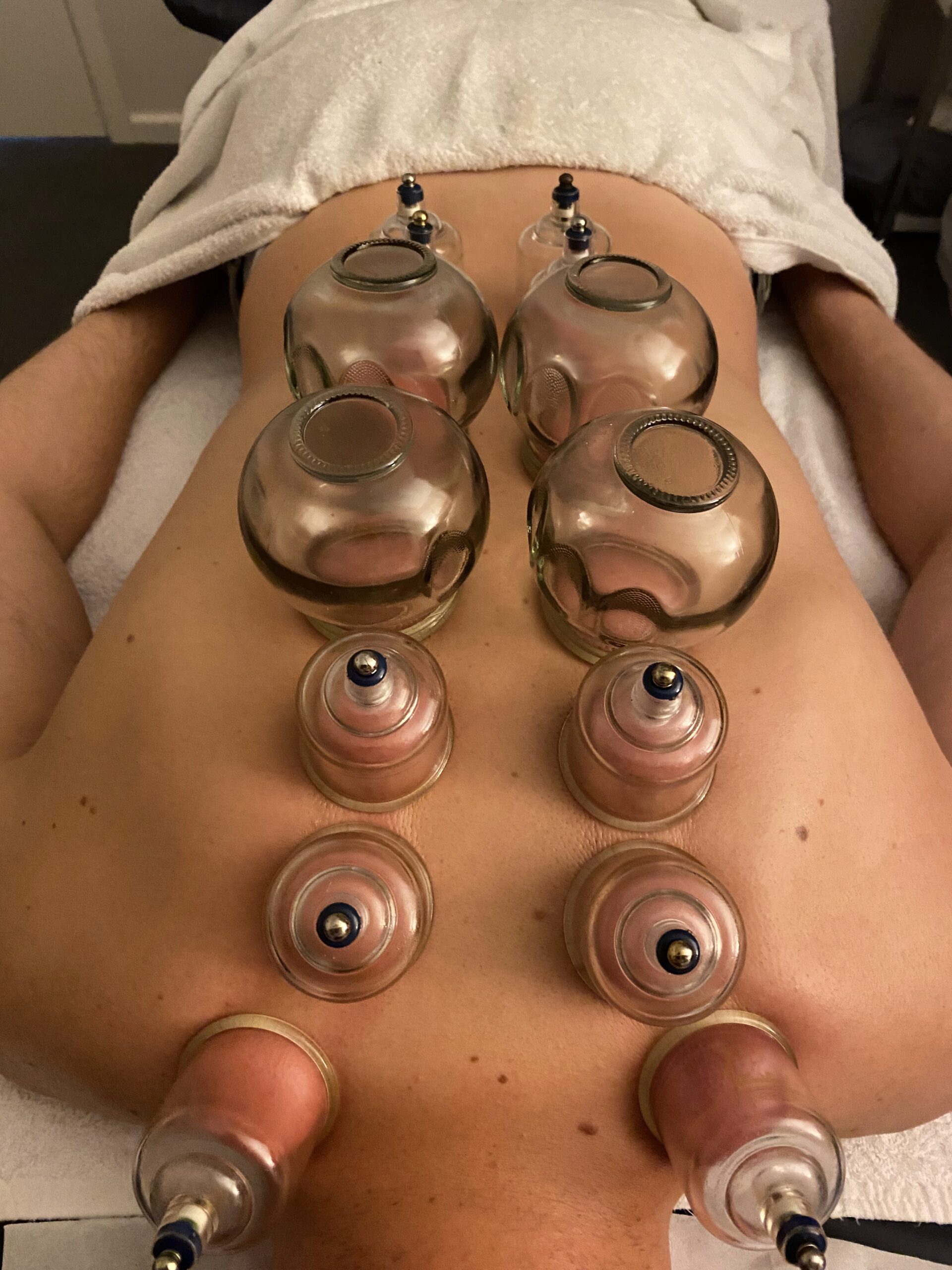
Serious complications are rare, especially when treatments (for instance, acupuncture, cupping, Gua Sha, electroacupuncture, or Chinese herbal medicine) are delivered according to CMBA safety standards.
Your initial consultation consent form will explain potential side effects. Asking questions is welcomed - about treatments or practitioner qualifications. You can read more about Acupuncture FAQ's here.
Why Regulation Matters
Regulation exists to protect patients.
Choosing an AHPRA-registered practitioner ensures your care meets nationally enforced standards for:
Safety
Education
Professional accountability
Whether you’re receiving acupuncture, Chinese herbs, moxa, cupping, or other Traditional Chinese Medicine treatments, regulation ensures high-quality care.