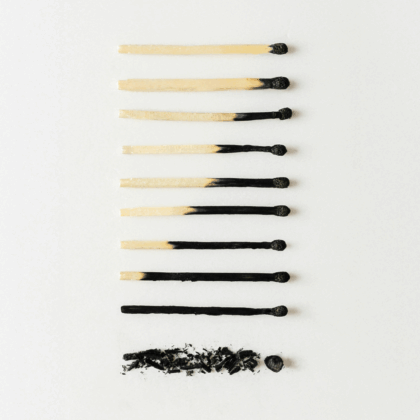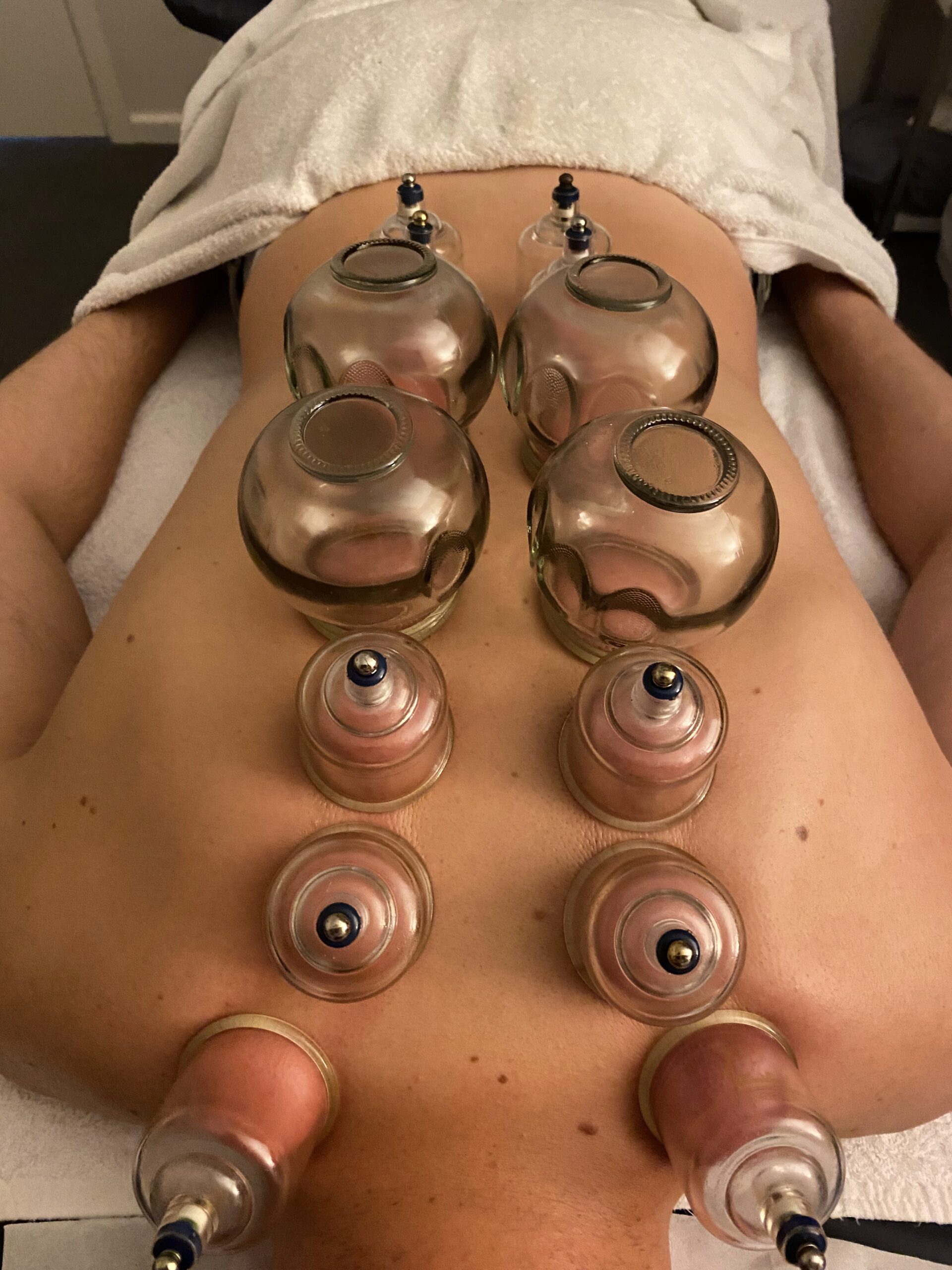
Here's 10 signs of Burnout
Constant Fatigue and Low Energy
You feel drained most of the time, even after a full night’s sleep. Everyday tasks start to feel overwhelming, and your body may feel heavy or sluggish.Sleep Disturbances
Difficulty falling asleep, staying asleep, or waking up unrefreshed are common. Overthinking or worrying at night can make it hard to rest properly.Irritability and Mood Changes
Small things that wouldn’t normally bother you now trigger frustration, anger, or tears. Emotional outbursts or detachment can be signs of emotional exhaustion.Loss of Motivation or Interest
You feel uninspired or detached from things that once brought you joy — work, family activities, or hobbies may start to feel meaningless or like a chore.Decreased Concentration and Productivity
Burnout affects cognitive function — leading to “brain fog,” forgetfulness, or difficulty focusing and completing tasks efficiently.Physical Aches and Pains
Chronic stress can manifest as headaches, muscle tension (especially in the neck and shoulders), gut issues, or unexplained physical discomfort.Feeling Cynical or Detached
You may start to feel numb or emotionally distant from work, relationships, or responsibilities — a protective response to prolonged stress.Changes in Appetite or Eating Habits
Some people lose their appetite, while others overeat as a way to cope. Both can signal emotional distress and hormonal imbalance from stress.Weakened Immune System
Frequent colds, slower recovery from illness, or recurring infections can indicate that your body’s defences are depleted from ongoing stress.Feeling Overwhelmed and Helpless
You might feel stuck, unable to keep up, or question whether things will ever improve — a common sign of deep mental and emotional fatigue.
What To Do If You Recognise Signs of Burnout in yourself?
If you’re experiencing several of these symptoms, it may be time to pause and seek help.
Burnout doesn’t resolve on its own — it requires rest, recovery, and often a shift in how stress is managed.
Prioritise Sleep and Practice Stress Management
Why: Sleep deprivation and chronic stress disrupt cortisol rhythms and the sympathetic nervous system.
Evidence-based strategies:
Aim for 7–9 hours of sleep per night.
Practice mindfulness, meditation, or breathwork to reduce stress (e.g., 10–20 min/day).
Avoid late-night screen use; maintain a consistent sleep-wake cycle.
Supporting research: Mindfulness and relaxation techniques have been shown to lower cortisol and improve perceived stress (Pascoe et al., 2017, Frontiers in Psychology).
Nutrient-Dense Diet to Support Energy and Hormone Balance
Why: Chronic stress can deplete nutrients needed for energy, adrenal function, and neurotransmitter synthesis.
Key strategies:
Include high-quality protein (eggs, fish, legumes) to support neurotransmitters.
Eat complex carbohydrates and fiber for stable blood sugar.
Include healthy fats (avocado, olive oil, nuts) for hormone production.
Prioritise B vitamins, magnesium, vitamin C, and zinc—all critical for stress response.
Evidence: Nutrient deficiencies, especially B vitamins and magnesium, correlate with fatigue, low mood, and HPA axis dysregulation (Stough et al., 2011, Nutrients).
Why Gentle is Better than High Intensity Exercise
Why: Chronic high-intensity exercise can WORSEN burnout.
Recommendations:
Walking, yoga, Pilates, or swimming 3–5 times per week.
Focus on low-to-moderate intensity to avoid further cortisol spikes.
Evidence: Moderate exercise supports HPA axis regulation and reduces symptoms of stress and anxiety (Salmon, 2001, Clinical Psychology Review).
Get more information - Testing and Pathology for Burnout
A holistic approach often includes lab testing to identify hormonal imbalances, nutrient deficiencies, or metabolic issues contributing to fatigue.
Hormones commonly assessed:
Cortisol (serum or salivary, including diurnal rhythm)
DHEA-S (adrenal androgen balance)
Thyroid panel: TSH, Free T4, Free T3, Reverse T3
Sex hormones: Estradiol, Progesterone, Testosterone
Blood sugar & insulin
Methylation markers (e.g., homocysteine, B12, folate)
Additional labs:
Ferritin and iron studies (iron deficiency worsens fatigue)
Vitamin D (deficiency can contribute to low energy and mood changes)
Inflammatory markers (CRP, ESR) if systemic fatigue is present
Add to your pit crew for Burnout - Adjunct therapies like Chinese Herbal Medicine
Mindfulness and counselling: CBT, guided meditation, and supportive psychotherapy can help regulate stress response and prevent long-term burnout. I can recommend Psychologists here on the Northern Beaches.
Acupuncture: Can reduce cortisol, improve sleep, and relieve fatigue (Zhang et al., 2019, Frontiers in Pharmacology).
In Chinese Herbal Medicine, several herbs are considered adaptogenic—meaning they help the body adapt to physical, emotional, and environmental stressors. Here are the main three Chinese adaptogenic herbs with the strongest evidence base:
🌿 Ren Shen – Panax Ginseng
Supports mental focus, physical endurance, and immune function
Used for fatigue, low appetite, and poor recovery after illness
Modern Evidence:
Numerous clinical studies show ginseng’s adaptogenic effects in improving stress response, mental performance, and immune modulation.
Active compounds: Ginsenosides, which influence the HPA axis (hypothalamic–pituitary–adrenal system) and support energy metabolism.
🌿 Huang Qi – Astragalus membranaceus
Promotes tissue regeneration and supports endurance
Used for fatigue, frequent colds, and poor wound healing
Modern Evidence:
Shown in studies to enhance immune function and protect against oxidative stress.
Active compounds: Astragalosides and polysaccharides—known for anti-inflammatory and immunomodulating effects.
🌿 Wu Wei Zi – Schisandra chinensis
Nourishes Kidney Yin and contains Qi leakage
Calms the mind, enhances focus, and supports endurance
Modern Evidence:
Research supports its adaptogenic properties in protecting the liver, reducing stress hormones, and improving mental clarity.
Active compounds: Schisandrins, lignans that modulate stress response and improve cellular resilience.
If you want more information about how TCM Chinese Herbs or Acupuncture can help be part of your broader care plan to get back on track with sleep, energy levels and stress management, you can book online here for my clinics on Sydney's Northern Beaches