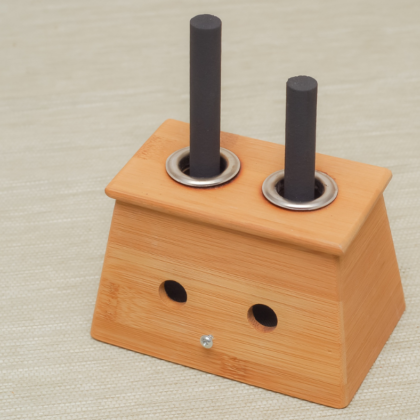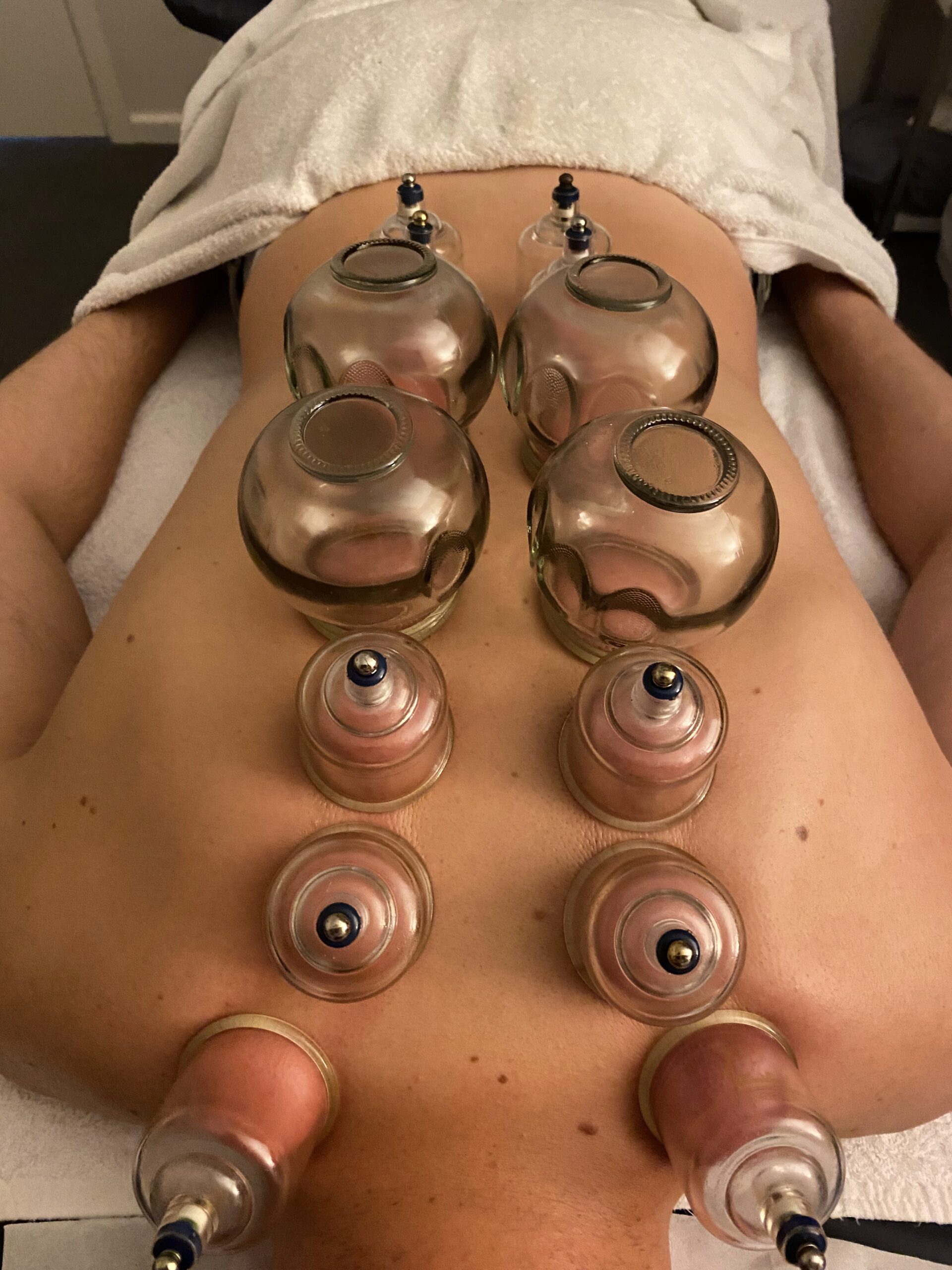
Moxibustion, or moxa, is an ancient healing practice in Traditional Chinese Medicine (TCM) that involves burning the herb mugwort (Artemisia vulgaris) in conjunction with acupunctureto stimulate the acupoints. Moxa is particularly effective for treating patterns of deficiency, as often seen in the Kidney, Spleen, Qi, and Blood system.
How Moxa Works in Deficiency Patterns
In TCM, deficiency patterns often manifest as fatigue, coldness, and weakness. 'Insufficiency' is another good word to describe Deficiency in TCM.
- Kidney deficiency may manifest as: lower back pain and reproductive issues
- Spleen deficiency can lead to digestive problems and chronic tiredness.
- Qi and Blood deficiencies may result in fatigue, dizziness, and pale complexion.
Moxa warms and nourishes the body, promoting Qi flow and strengthening weakened areas. It's intention is to tonify, build and consolidate.
When applied to acupuncture points, the heat from the burning mugwort penetrates the skin, stimulating circulation and supplementing the Qi or the body's energy. This warmth is especially important for cold conditions or when the body lacks the energy to circulate blood and fluids properly.
The Sensation of Moxa
When receiving moxa treatment, patients often describe the sensation as a deep, soothing warmth that penetrates the skin without causing discomfort. Unlike burning heat from other sources, the heat from moxa is gentle and therapeutic, designed to stimulate healing rather than cause discomfort.
The Importance of Professional Guidance
While moxa is a powerful healing tool, it’s important to seek treatment from a professional acupuncturist. Trained practitioners understand where to apply moxa for different deficiency patterns and can monitor the heat carefully to avoid burns or overuse. They are also skilled in determining the correct type and method of moxibustion, whether indirect (using moxa sticks or moxa boxes) or direct (applying moxa cones to acupuncture points).
It's not recommended to try moxa at home, unless you have been shown by a trained professional acupuncturist and have been given specific instructions on how to be safe around the lit end of the stick, how to extinguish it and manage any mistakes. When used incorrectly, there is a risk of burning yourself.
Historical and Modern Perspectives
The use of moxa has deep roots in TCM history.
In the classical text The Yellow Emperor’s Inner Canon (Huangdi Neijing), it is said,
"When a disease fails to respond to acupuncture and herbs, moxibustion is suggested."
This highlights the importance of moxibustion in treating difficult or chronic conditions.
Modern scientific studies also support the effectiveness of moxa. A study published in Evidence-Based Complementary and Alternative Medicine in 2013 found that moxibustion can improve blood flow and stimulate the immune system, which supports its traditional intention of boosting Qi and Blood.
In conclusion, Moxa is an essential tool in TCM, particularly for treating deficiency patterns related to the Kidney, Spleen, Qi, and Blood. Its warming, nourishing effects make it an effective therapy for cold or weak conditions. However, it’s important to seek guidance from a trained acupuncturist to ensure safe and effective use. Whether for modern treatments or rooted in centuries of TCM wisdom, moxa remains a vital part of holistic healing practices.
References:
- Evidence-Based Complementary and Alternative Medicine. (2013). The Effectiveness of Moxibustion for the Treatment of Various Conditions: A Review.
Other articles relating to Moxa: