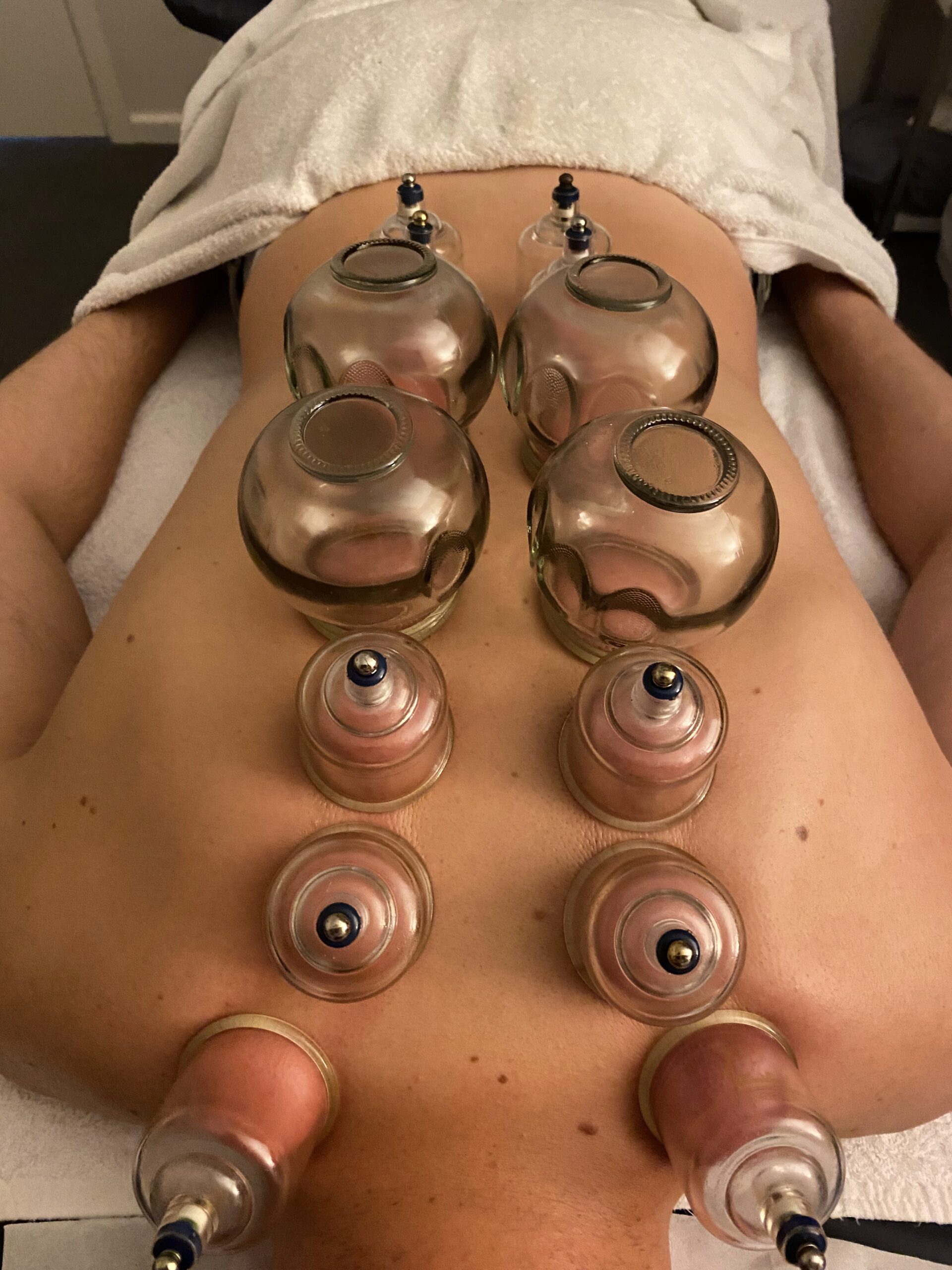
Acupuncture is often explored as a complementary therapy for managing tinnitus, due to its ability to moderate the nervous system responses. Tinnitus produces ringing, buzzing, or other noises in the ears without an external source. While research on the efficacy of Chinese Medicine and acupuncture for tinnitus is ongoing, some studies suggest potential benefits in managing symptoms and improving overall well-being.
Ask for help with Tinnitus ASAP
Firstly I would say in my experience in clinic the SOONER you begin treatment at the first signs of ringing in the ears, the BETTER the outcomes in treatment.
Acute tinnitus (a few weeks to a few months duration) is relatively easier to manage than Chronic Tinnitus (6+ months or years of symptoms). This may also apply to any medical treatment, so let your Doctor know early.
'Er Ming' is the Chinese term for Tinnitus or ringing in the ears. In TCM, we differentiate between the pitch and the sound perceived by clients. Some mention it sounds like they're underwater and hear a hum or buzz. Others mention a higher pitch sound like squealing, or screeching sound. These make a difference when it comes to your qualified practitioner determining your 'TCM pattern' or type of tinnitus.
Acupuncture for Tinnitus - How does it help?
- Regulating Qi and Blood Flow: By targeting specific acupuncture points related to the ears and the sense of hearing, and the brain and nervous system, acupuncture may help improve blood flow to the inner ear structure and auditory system.
- Modulating Neurotransmitters: Acupuncture has been shown to modulate neurotransmitter levels in the brain, including those involved in auditory processing. By influencing neurotransmitter activity, acupuncture may help regulate neural pathways associated with tinnitus perception.
Scientific Evidence:
- Meta-Analyses and Systematic Reviews: Several meta-analyses and systematic reviews have examined the efficacy of acupuncture for tinnitus. While results are mixed, some studies suggest that acupuncture may have a positive impact on tinnitus severity and related symptoms. (Reference: Liu F, Han X, Li Y, Yu S, Zhao D, Ding D. Acupuncture for tinnitus: a systematic review and meta-analysis of randomised controlled trials. PLoS One. 2016;11(3)
- Clinical Trials: Individual clinical trials have also explored the effects of acupuncture on tinnitus. While some studies report improvements in tinnitus severity and quality of life measures following acupuncture treatment, more research is needed to establish its efficacy and determine optimal treatment protocols.
Chinese Herbal Medicine as a possibility for symptoms
Herbs may be prescribed to address underlying imbalances contributing to tinnitus. Herbal formulas containing ingredients with properties to support and strengthen the kidneys, liver, and spleen depending on your personal TCM pattern. Often calming herbs are also included to support the brain and nervous system.
It's good to have a broader care plan and include other modalities for support. Besides trying Acupuncture or Chinese herbs, consider counselling, sound therapy, and lifestyle modifications from an Integrative Doctor.
While Chinese Medicine and acupuncture may offer potential benefits for managing tinnitus symptoms, more high-quality research is needed to establish their efficacy and underlying mechanisms of action. Individuals considering Chinese Medicine or acupuncture for tinnitus should consult with a qualified practitioner with experience in ear problems and tinnitus. It's still essential to speak to your doctor about Tinnitus as a first port of call.
Further reading about Tinnitus and Ear problems: