TCM Asthma Diet Therapy for Lung Health: Simple food choices to support breathing and reduce dryness or congestion.
In Traditional Chinese Medicine (TCM), food is considered a practical tool for supporting the body, including the Lungs. When Lungs are strong you have more energy, the immune system is more resilient, and symptoms of dryness, phlegm, and irritation in the respiratory tract may be better managed.
TCM Asthma dietary therapy focuses on choosing foods that gently moisten the lungs, reduce inflammation, and support the body’s natural defences. This approach can be especially helpful during seasonal changes or for those prone to coughs, asthma, or dry throat symptoms.
How a TCM Dietary therapy may support Lung Health
In TCM, the Lungs are sensitive to dryness and heat. Foods that are naturally moistening and cooling can help soothe the respiratory tract, calm irritation, and thereby support breathing. Many of these foods are simple, nourishing, and easy to include in everyday meals
TCM Dietary Therapy Tips to Support the Lung
White foods
In TCM, white-coloured foods are often associated with the Lung system and its Five Element symbol, Metal. With it's paired organ, the Large Intestine, it's easy to see why it's theme is about taking IN what it needs and letting go of what it Doesn't NEED. Both organs are a quick absorption and elimination pathway for the body to eliminate waste, bi-products and toxins it doesn't need.
The following foods are thought to help moisten dryness and support the Lung and Metal element:
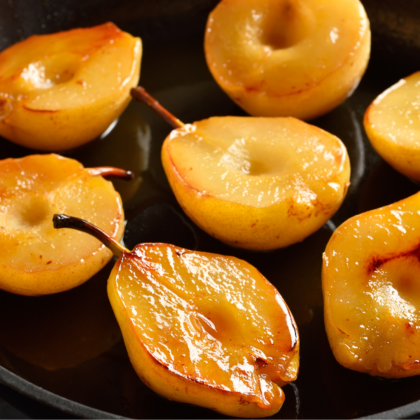
Pears
Pears are especially valued for their ability to moisten the lungs and soothe a dry throat. They are commonly used in TCM for dry coughs or irritation and can be eaten fresh or gently stewed.
Honey
Honey is traditionally used to ease coughing and dryness. Adding honey to warm water or tea can help coat the throat and provide gentle relief. Try buying local honey! It easy to connect wth local beekepers selling their local honey via facebook community groups.
Leafy greens
Vegetables such as spinach, bok choy, and cabbage are rich in nutrients and antioxidants that help reduce inflammation in the respiratory system.
Mushrooms
Shiitake and maiitake mushrooms support immunity and respiratory function. They also help reduce inflammation and gently strengthen Lung Qi. Try Tokyomart in Northbridge if you're in Sydney, or your local asian supermarket.
Daikon radish
Daikon is a cooling root vegetable known for its ability to clear heat and phlegm. You can find these at fresh produce markets, especially in Chinatown or Asian food markets.
Lotus root
Lotus root has moistening properties. Add it to soups or lightly stir-fried for a nourishing meal. You can find them in asian supermarkets as a dried or preserved product.
Foods to Avoid when you have mucus
Some foods may contribute to phlegm or internal heat, which can affect Lung Qi and breathing.
Dairy products
Dairy can be mucus forming, which may lead to congestion.
Fried and greasy foods
Heavy foods can create internal heat and inflammation, making respiratory symptoms worse.
Excess raw or cold foods
Too many cold foods may weaken digestive function, making it harder for the body to transform fluids and clear phlegm.
Recipe: Daikon, Lotus Root & Shiitake Soup
Ingredients
• 1 cup lotus root, peeled and thinly sliced
• 1 cup shiitake mushrooms
• 1 small daikon radish, sliced
• 4 cups vegetable or chicken broth
• 1 tablespoon goji berries (optional)
• Fresh ginger, 2–3 slices
• Sea salt to taste
Method
Add all ingredients to a pot and bring to a gentle boil.
Reduce heat and simmer for 25–30 minutes.
Serve warm.
This soup is moistening, easy to digest, and soothing for dry coughs or throat irritation.
Recipe: Stewed Pears with Honey and Almond
Ingredients
• 2 pears, halved and cored
• 1–2 teaspoons raw honey
• 1 tablespoon crushed almonds
• 1 cup water
• Optional: pinch of cinnamon
Method
Place pears in a small saucepan with water.
Simmer gently for 10–15 minutes until soft.
Drizzle with honey and sprinkle with almonds before serving.
This dessert is gentle on digestion and traditionally used to soothe dryness and support Lung Qi.
Supporting lung health through food is a simple yet effective way to care for your body. Choosing moistening, lightly cooked foods and reducing those that create phlegm can help.
If you would like personalised guidance on dietary therapy for asthma or respiratory health, consulting with a fully-qualified and AHPRA registered Chinese Medicine practitioner can provide tailored support. You can make an appointment for the Northern Beaches clinics here.