
What is Damp? How do we see dampness present in our external environment? Things that are waterlogged, moist, musty, dank, soggy. It may even have a specific smell of stagnant water. Traditional Chinese Medicine has language around how certain symptoms present in people. Historically, master practitioners were constantly observing nature and looking for similar patterns within our own bodies. They used words like Damp. Dry, Heat, Cold and Wind to describe symptoms.
But dampness is an interesting one. Dampness is a word we use to describe fluid retention, mucus, congestion and phlegm. So it predominantly affects the Lung and the Spleen organs.
Dampness in the Lung is easy to explain. Coughing that produces mucus of any kind; thick, thin & watery mucus and of differing colours; clear, yellow or green encompasses damp. Upper respiratory is also governed by the Lung system, which includes sinuses and throat. So congested sinuses, mucus on the tonsils and throat are all indicative of some damp affecting the Lungs. Other non infectious conditions including Asthma, smoker's cough, cycstic fibrosis, emphysema may include damp signs. Other infectious conditions would include croup, pneumonia, bronchitis.
How do you avoid Damp in the Lungs?
- Getting plenty of exercise in fresh air is great for the lungs. In the olden days "getting some sea air" was seen as ideal for those convalescing and recovering from chronic illness.
- Look at how damp affects your home - your bedroom where you spend a lot of time, is there dampness in there? Mould? Water leaking? Stagnant water? Signs of moisture? A good spring clean can help youstart managing the dampness in your home.
- Sunlight - kills bacteria, check matresses, clothes, air things out in full sunlight. Even if you have a cold, often sitting in the sun can be soothing and relieving to a patient.
- Use pungent aromatic spices in your cooking. These kitchen spices form some of the Chinese Herbal Medicine we use therapeutically in clinic. I've written a blog post about it here.
Dampness in the Spleen is perhaps a newer concept to Westerners. The Spleen is an organ part of the Lymphatic System relating to non-specific immunity. According to Chinese Medicine, the Spleen is the house of digestion and healthy gut function. It relates to how you digest food and absorb nutrients, make waste products and eliminate them via the bowels. Chinese Medical texts, the Spleen is injured by excessive cold and damp. What this means in practical terms is most of the ways the Spleen is injured by damp is via diet and food intake. This means looking at Chinese dietary therapy and it's view on the nature and actions of certain foods on the body.
Damp food includes: Dairy; cheese, ice cream, milk, yoghurt in excess. Mucus forming foods such as oily nuts, greasy, rich food, complicated meals with many ingredients. Bananas because they're sweet, rich and sticky. Oranges because they're cold in nature and mucus forming.
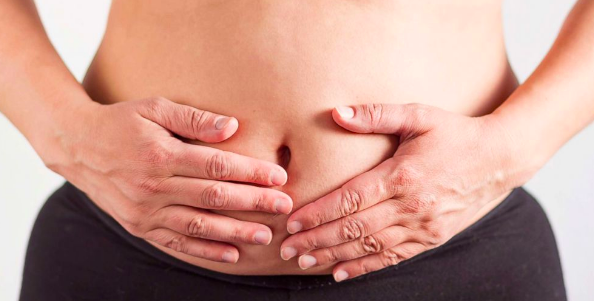
Damp in the Spleen may show up as loose bowel movements, watery stool with no form, undigested food or mucus in the stool, fluid retention around your belly or limbs, excessive discharge from the vagina, candida overgrowth and bloating.
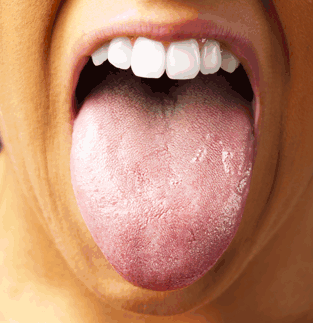
Check your Tongue
In Damp conditions, almost always there will be a coated tongue. Check you tongue in the mirror. Does it have a tongue coat? Is it thick or thin?
How do you avoid Damp affecting the Spleen?
Go straight to your diet & lifestyle:
- Eat less or no dairy
- Don't drink ice-cold water.
- Drink warm drinks - tea, herbal tea and chai.
- Drink room temperature or hot water on its own with lemon juice.
- Reduce wheat/gluten intake.
- Avoid bananas & oranges
- Eat more warming, pungent spices. Warm your middle. See blogpost here.
- Eat more soups, stews and slow cooked food
- Quit smoking.
- Exercise. Keep moving!
Chinese Herbal Medicine has been addressing symptoms of dampness for hundreds of years. There are herb categories specific to expelling phlegm, clearing the Lungs and strengthening Spleen function. Chinese Herbal Medicine texts discuss how one can move dampness in different ways using herbs; drying it out, resolving it or draining it via urination.
Some good herbs for dampness include:
- Citrus peel
- Pinellia
- Poria Cocos
- Fresh ginger
- Fritillaria
- Trichosanthes
If you're considering Chinese Herbal Medicine, seek advice from a Registered Chinese Herbal Medicine Practitioner.