Whats the difference between Acupuncture and dry needling?
Acupuncture and dry needling are two distinct therapeutic techniques. In this blog post, I'll explain the differences according to Australian practice, current at the time of writing it.
The main similarity is that they both involve the insertion of thin needles into the body for therapeutic purposes.
But Physiotherapists, Osteopaths and Chiropractors do not practice ACUPUNCTURE. They use Dry Needling as an additional tool to everything else they do, so they may not use it on all patients.
An Acupuncturist only does ACUPUNCTURE to treat all patients. Their skill and experience is in needling and technique.
The significant differences include:
Training + Credentials:
Acupuncture practitioners undergo extensive training in:
- Standard precautions, Hygiene and Ethics
- Anatomy, Physiology, Pathophysiology
- Traditional Chinese Medicine theory
- Diagnostic techniques
- Acupuncture Point location
- Needling techniques
- Chinese Herbal Medicine, including herbs, their individual actions and classical formulas.
- Treatment formulation
- Chinese History and Medical Paradigm.
They may receive formal education at University or college level and registration in acupuncture and TCM with AHPRA (Australian Health Practitioner Regulation Agency). As a degree qualified and registered Acupuncturist, I obtained a Bachelor of Health Science Degree in Traditional Chinese Medicine at UTS in Sydney after 4 years full time study.
Dry needling practitioners, such as physiotherapists, osteopaths or chiropractors, receive much shorter training (often a weekend course) in dry needling techniques as part of their ongoing professional development. Training requirements and regulations for dry needling vary by jurisdiction.
Their Origins:
Acupuncture is a key component of Traditional Chinese Medicine (TCM) that has been practiced for thousands of years. It is China's "original medicine", before Western Medicine was introduced.
Like Yoga has many styles of practice and ancient origins and theory, so does Acupuncture. There are many styles or different schools of thought within Acupuncture. Lots!! Chinese, Japanese, Korean, Taiwanese and they have the same foundation but different approaches to solving a problem.
Dry needling is a modern Western technique that originated from Western medical principles and anatomical knowledge. It focuses on treating pain only. Its focus is myofascial trigger points, which are hyper-irritable spots in skeletal muscle that are associated with palpable nodules or bands of muscle fibres.
Purpose + Technique:
The primary purpose of acupuncture is to restore balance and flow of Qi within the body's organ systems.
Based on a holistic or whole body approach, it aims to treat symptom and cause simultaneously. Guiding the body back to homeostasis and using the needles to stimulate that process.
Acupuncture needles are inserted at specific points along meridians to stimulate Qi flow, regulate bodily functions, and address a wide range of health conditions, in addition to pain relief.
Dry needling is primarily used to address pain and dysfunction, particularly targeting trigger points and muscle tightness. Needles are inserted directly into trigger points or tight muscles to elicit a local twitch response and release muscle tension.
Needle Depth:
Acupuncture needles are typically inserted at varying depths, ranging from superficial to deeper layers of tissue, depending on the location of the acupuncture point, the condition being treated and the therapeutic intention of the practitioner.
Dry needling typically involves the insertion of needles into the muscle tissue at varying depths, targeting specific trigger points or taut bands of muscle fibres.
Scope of Practice:
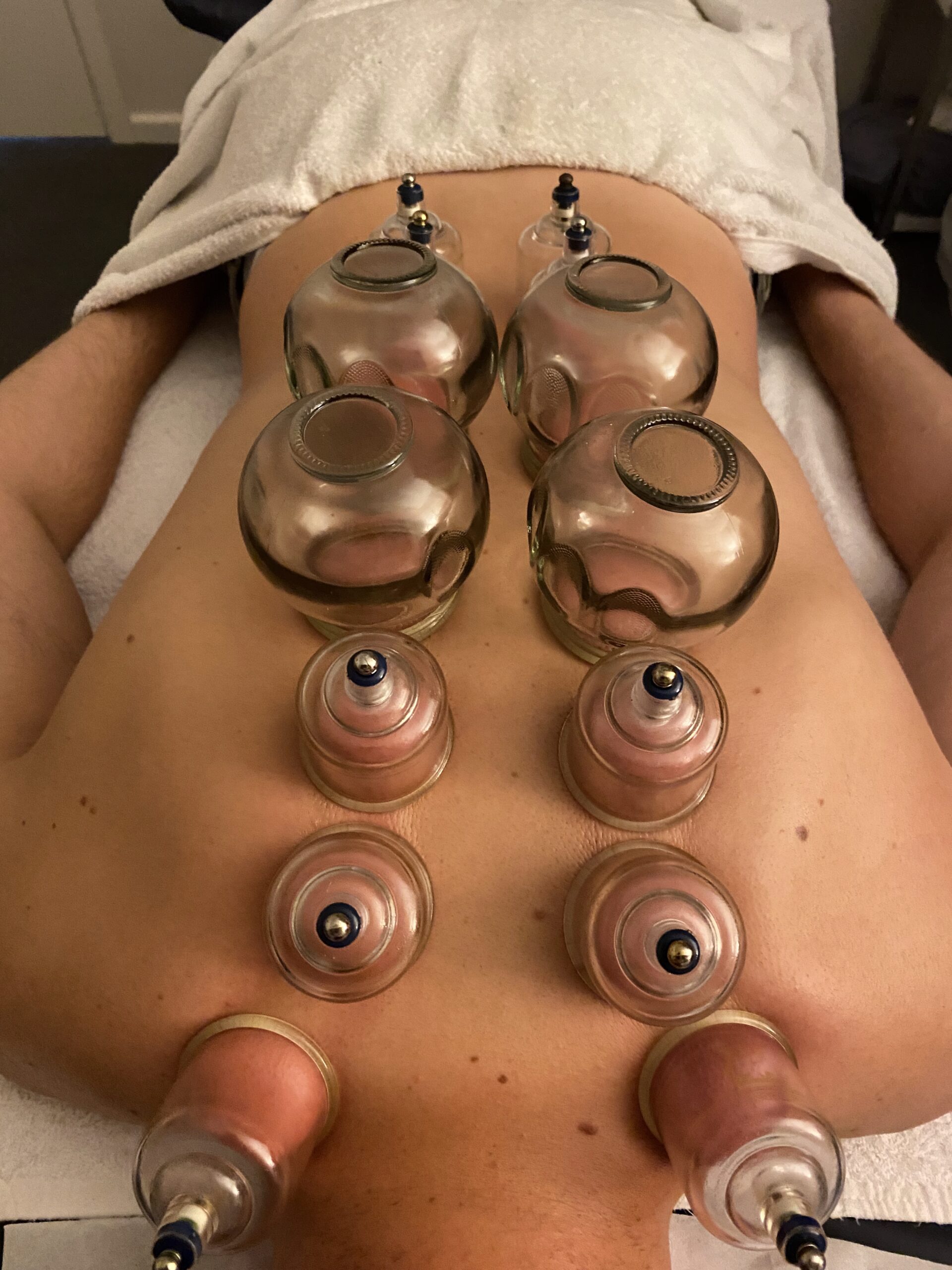
Acupuncture is a comprehensive system of healthcare that encompasses a wide range of modalities, including acupuncture, herbal medicine, cupping therapy, and dietary and lifestyle recommendations. It has strong evidence in the areas of pain, women's health, digestion and stress management including anxiety and depression.
Dry needling is a specific technique used within the scope of practice of certain healthcare professions, primarily focused on addressing musculoskeletal pain and dysfunction.
To sum up while acupuncture and dry needling both involve the use of thin needles for therapeutic purposes, Acupuncture differs in many ways. It's important for people to understand these differences. Most importantly, consulting with AHPRA registered Acupuncturists to get more than just pain relief out of their treatments.
Further reading about Acupuncture: