Chinese Herbs for Sleep & the Nervous System
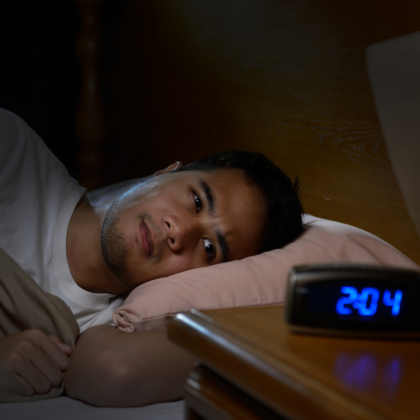
Struggling with getting to sleep? Are you waking at 2–3am unable to fall back asleep? Your nervous system may be overstimulated. "What can I do about it?" you might be asking yourself.
Insomnia and ongoing sleep disturbance are often signs that the body hasn’t fully shifted out of “fight or flight” mode. While short-term fixes may sedate you, Chinese herbal medicine works differently — it aims to address the underlying pattern contributing to poor sleep.
In Traditional Chinese Medicine (TCM), insomnia is not viewed as a single condition. It relates to stress, overthinking, hormonal changes, chronic fatigue, or long-term depletion. This is why two people with the same sleep complaint may receive completely different herbal prescriptions.
How Chinese Herbs Support Deep, Restful Sleep
Chinese herbs for sleep are traditionally prescribed in carefully constructed formulas. These formulas can be useful in:
Calming an overactive mind
Reducing night waking
Supporting getting to sleep more easily
Improving staying asleep
Settling vivid dreams
Nourishing a depleted nervous system
They are not simply “natural sleeping tablets.” Instead, they regulate the internal patterns driving insomnia.
Suan Zao Ren Tang
We traditionally use this when a person is:
Having difficulty staying asleep
Waking frequently
Feeling irritable or tense
Experiencing light, easily disturbed sleep
Key herbs include:
Suan Zao Ren (Ziziphus seed) – calms the mind and supports deeper sleep
Fu Ling (Poria) – settles restlessness
We choose this formula when stress and nervous system tension are contributing to sleep disturbance.
Tian Wang Bu Xin Tang
It may be appropriate when someone is:
Awake due to a racing mind
Feeling anxious at night
Waking with night sweats
Experiencing ongoing chronic fatigue with difficulty getting to sleep
Key herbs include:
Suan Zao Ren – calms the spirit
Bai Zi Ren (Biota seed) – supports staying asleep
For people who feel both tired and wired, we choose herbs like this.
Why Proper Assessment Matters
Although these formulas are well known, they are not one-size-fits-all.
Insomnia can stem from very different patterns, including stress-related tension, hormonal shifts, digestive issues, or long-term exhaustion. Taking the wrong herbs may not help — and in some cases can aggravate symptoms.
A thorough consultation includes:
Detailed sleep history
Assessment of stress levels
Review of menstrual or hormonal health (where relevant)
Pulse and tongue diagnosis
Consideration of medications and interactions
From there, we create a tailored herbal prescription.
When to Seek Support
If you can’t sleep, struggle with staying asleep, or feel unrefreshed despite a full night in bed, it’s time to look deeper than just “poor sleep.”
Chinese herbal medicine offers a structured, individualised approach to insomnia and chronic sleep disturbance — particularly when stress and nervous system dysregulation are involved.
Book an appointment for a comprehensive assessment with a degree-qualified and AHPRA-registered practitioner experienced in Chinese herbal medicine. Proper diagnosis is essential to achieving lasting improvement in your sleep.