What is Cortisol? : A simple guide to understanding your stress hormone
Cortisol is often called the “stress hormone,” but it’s actually much more than that. It’s a hormone made by your adrenal glands (located above your kidneys) and it plays an essential role in keeping your body functioning day to day.
According to medical sources like the Cleveland Clinic, cortisol helps:
- Regulate your body’s response to stress
- Control blood sugar and energy use
- Reduce inflammation
- Maintain blood pressure
- Support your sleep–wake cycle
So while cortisol is commonly linked to stress, it is vital for overall health.
What Happens When Cortisol Is Too High or Too Low?
Cortisol levels naturally rise and fall throughout the day. Problems occur when levels stay consistently too high or too low.
Signs of High Cortisol (Too Much)
- Weight gain (especially around the abdomen or face)
- Trouble sleeping
- Feeling “tired but wired”
- High blood pressure
- Increased blood sugar
- Anxiety, irritability, or mood changes
- Muscle weakness
Signs of Low Cortisol (Too Little)
- Ongoing fatigue
- Low blood pressure
- Dizziness
- Unintentional weight loss
- Loss of appetite
If these symptoms are persistent, it’s important to investigate further with a healthcare professional.
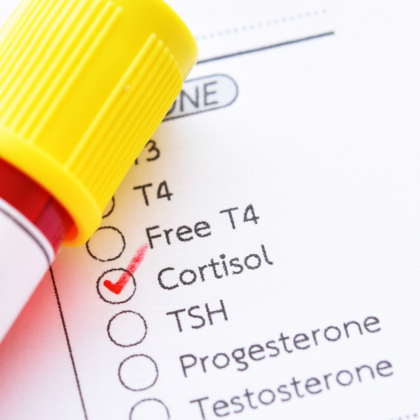
How Do You Test Cortisol?
Cortisol levels can be measured in several ways:
- Blood test
- Saliva test
- Urine test (24-hour collection)
These tests help identify conditions such as high cortisol (e.g. Cushing’s syndrome) or low cortisol (e.g. adrenal insufficiency).
Because cortisol changes throughout the day, your doctor may recommend multiple tests at different times for accuracy.
👉 If you suspect an issue with cortisol, it’s important to speak with your GP or specialist, who can guide testing and interpret results properly.
A TCM Perspective: What Is the Equivalent of Cortisol?
In Traditional Chinese Medicine (TCM), there isn’t a single direct equivalent to cortisol. Instead, its functions are understood through broader systems:
- Kidney system → linked to adrenal function, energy reserves, and resilience
- Liver system → involved in stress, emotional regulation, and tension
From a TCM perspective, symptoms of cortisol imbalance may be seen as:
- Overactivation (often linked to “Liver Qi stagnation” or “Heat”)
- Depletion or fatigue states (often linked to “Kidney deficiency”)
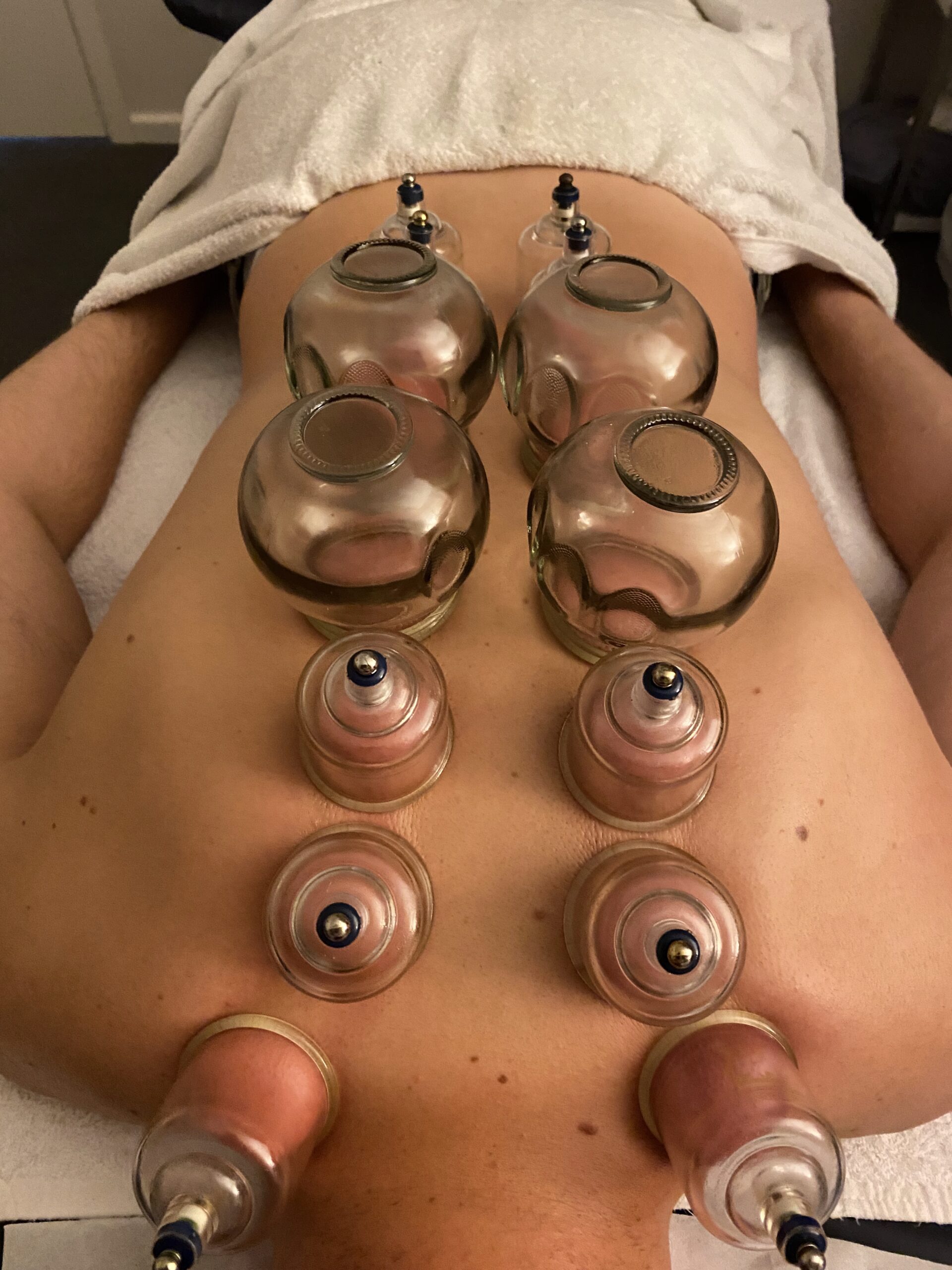
What can Acupuncture and Chinese Medicine do about it?
It’s important to be clear:
Medical assessment and treatment come first when dealing with cortisol-related conditions.
Once you are under the care of a GP or specialist, TCM can be used as a supportive, adjunct therapy.
Acupuncture may help:
- Regulate the nervous system
- Reduce stress responses
- Improve sleep quality
- Support energy levels
Chinese herbal medicine may help:
- Support fatigue and recovery
- Address stress-related patterns
- Improve digestion and energy
This approach focuses on supporting the body during recovery, not replacing medical care.
When to Seek Help
If you’re experiencing ongoing fatigue, sleep issues, unexplained weight changes, or stress that feels hard to manage, it’s worth discussing with your doctor.
Cortisol is a powerful hormone — and when it’s out of range, it’s something that should be properly assessed.
When you're looking for next steps after medical treatment, consider Acupuncture or TCM to support longer term recovery and maintenance for stress and fatigue related symptoms. If you're keen to make an appointment to discuss your health further with me, click here. I have clinic locations on the Northern Beaches of Sydney.