Restless Legs Syndrome
Restless Legs Syndrome (RLS) is a common yet often frustrating condition that can interfere with sleep, relaxation, and daily comfort. Many people notice symptoms worsen after periods of heat, dehydration, stress, or poor sleep. Acupuncture can be a supportive and effective option for managing symptoms while addressing contributing factors such as nervous system tension, circulation, and muscle overactivity.
What Does Restless Legs Feel Like?
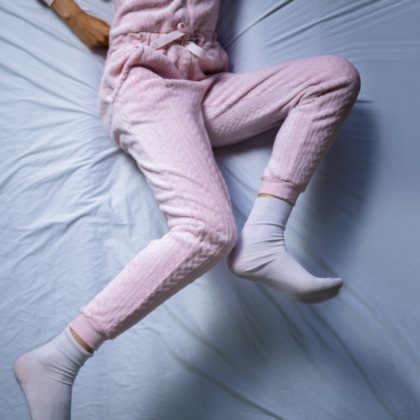
Restless Legs Syndrome is typically described as an irresistible urge to move the legs, often accompanied by uncomfortable sensations such as tingling, aching, pulling, or crawling feelings deep within the muscles. Symptoms usually appear or worsen during periods of rest, such as sitting or lying down, and tend to improve temporarily with movement.
RLS most commonly occurs in the evening or at night and can significantly disrupt sleep. If these symptoms sound familiar, it is important to make an appointment with your GP to rule out underlying causes. Following this, acupuncture may be helpful in reducing symptom intensity and improving sleep quality.
Why Restless Legs Can Be Linked to Dehydration
Dehydration is a frequently overlooked contributor to restless legs. Hot weather, sweating, caffeine, alcohol, and busy routines can all reduce fluid levels and deplete essential minerals needed for healthy nerve and muscle function.
When the body is dehydrated:
Muscles may fatigue or cramp more easily
Nerve signalling can become more irritable
Circulation may be less efficient, particularly at rest
Low levels of minerals such as magnesium and potassium associates with leg discomfort and nighttime restlessness. Addressing hydration and mineral intake is often a key part of managing symptoms effectively.
How Acupuncture May Help Restless Legs
Acupuncture works by supporting the nervous system, muscles, and circulation—areas closely involved in Restless Legs Syndrome. Evidence Based Acupuncture lists Restless Leg Syndrome as one of 46 conditions that Acupuncture proving to help with their review of clinical trials. Acupuncture rates as potential positive effect on RLS due to its mechanisms which include:
Calming nervous system over-activation and reducing pain perception
Improving circulation to the lower limbs
Releasing muscle tension
Promoting sleep
- Reducing inflammation
Supporting Treatment Between Appointments
Acupuncture is often most effective when combined with simple lifestyle strategies, including:
Drinking fluids consistently throughout the day
Including mineral-rich foods such as leafy greens, seeds, legumes, and whole foods
Reducing caffeine and alcohol intake, especially later in the day
Establishing a regular sleep routine
When to Seek Support
If restless legs are interfering with your sleep or quality of life, it is worth seeking professional care. A medical review can help identify underlying causes, while acupuncture may assist in easing symptoms and supporting long-term management.
If you would like to explore whether acupuncture is suitable for you, make an appointment to start a conversation. Being a degree-qualified acupuncturist with over 20 years experience in private practice, I can help. I have experience in many multi-day hikes and events including Sydney Coastrek (30 + 50KM) and Oxfam Trailwalker Sydney (100km). My passion for helping clients who are in training for an event or athletes, is to use Acupuncture for conditioning work.