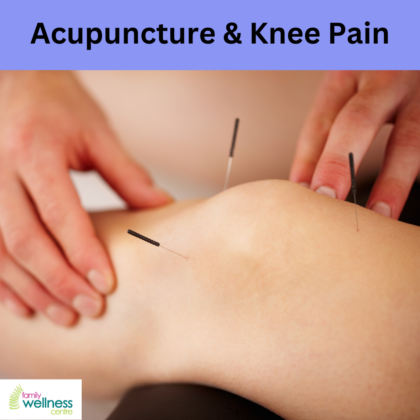
Acupuncture for Knee Pain, Surgery Support and Recovery
Knee pain can affect so many aspects of daily life — from walking and exercising to sleeping comfortably and staying independent. Whether the pain comes on suddenly after an injury or develops gradually over time, it can feel frustrating and limiting.
Acupuncture, a key part of Traditional Chinese Medicine, is increasingly used as a supportive therapy for knee pain. It can help manage symptoms, prepare the body for surgery, and support recovery afterwards. Below, we explore how acupuncture may help at each stage of the knee pain journey.
Understanding Knee Pain
Acute Knee Pain
Acute knee pain usually occurs suddenly, often following an injury such as:
Ligament or meniscus tears
Sports-related injuries
Falls or trauma
This type of pain is often sharp, painful, and can significantly limit movement in the short term.
Chronic Knee Pain
Chronic knee pain tends to develop gradually and may be linked to conditions such as:
Osteoarthritis or rheumatoid arthritis
Tendonitis or bursitis
Long-term overuse or joint degeneration
Over time, chronic knee pain can affect mobility, confidence with movement, and quality of life.
What the Scientific Evidence Says About Acupuncture and Knee Osteoarthritis
According to Evidence Based Acupuncture, high-quality systematic reviews and meta-analyses consistently find that acupuncture can reduce pain and enhance physical function in people with knee osteoarthritis, often outperforming sham needling and standard care such as pain medications and exercise alone. These findings show that acupuncture is not just safe but demonstrably effective in improving quality of life for people with knee joint degeneration.
Pain is one of the main reasons people seek acupuncture, and the Evidence Based Acupuncture pain overview highlights that acupuncture has been shown to influence neural pain pathways and reduce chronic pain in conditions including osteoarthritis. The review notes that acupuncture engages endogenous pain-modulating systems and may reduce reliance on stronger pain medications. Evidence Based Acupuncture
Similarly, The Acupuncture Evidence Project, a large comparative literature review supported by the Australian Acupuncture and Chinese Medicine Association (AACMA), identifies knee osteoarthritis as one of the conditions with positive evidence of effect, meaning that multiple systematic reviews support acupuncture’s benefit for this condition. This project draws on extensive research and graded evidence to help clinicians and patients understand where acupuncture has the strongest scientific backing.
Knee Pain: The Mechanisms of How Acupuncture works
Pain Relief
Acupuncture has been shown to stimulate the release of endorphins — the body’s natural pain-relieving chemicals — helping to reduce both acute and chronic knee pain.
Reducing Inflammation
Research suggests acupuncture can influence inflammatory pathways, which may be particularly helpful for arthritis, tendon irritation, and joint swelling.
Improving Blood Flow
By increasing circulation around the knee, acupuncture supports the delivery of oxygen and nutrients to the tissues, helping promote repair and recovery.
Using Acupuncture Before Knee Surgery
Preparing for knee surgery isn’t just physical — it can also be emotionally stressful. Acupuncture can offer gentle support in the lead-up to surgery.
Pain management: Pre-surgical acupuncture may help ease existing knee pain and discomfort while you wait for your surgery date. This can especially be practical if you're a public patient and there is a long wait list.
Reducing anxiety: Acupuncture is known to calm the nervous system, helping many people feel more relaxed and at ease before surgery.
After Surgery and Post-op Support
Acupuncture can be used alongside conventional post-operative care (with your surgeon’s approval).
Managing Pain
Acupuncture can complement pain medications, and in some cases may help reduce reliance on higher doses of analgesics.
Reducing Swelling and Inflammation
Post-surgical acupuncture may help reduce swelling and inflammation around the knee, supporting comfort and healing.
Supporting Mobility and Rehabilitation
By easing muscle tension and supporting circulation, acupuncture may help improve range of motion and make physiotherapy and rehabilitation exercises more comfortable.
A Holistic Approach to Knee Health
Acupuncture offers a gentle, whole-body approach to managing knee pain — whether you’re dealing with an injury, long-standing joint issues, or recovering from surgery. It works best as part of an integrated treatment plan that may include medical care, physiotherapy, exercise, and lifestyle support.
If you’re experiencing knee pain or preparing for knee surgery, working with a degree-qualified acupuncturist experienced in musculoskeletal care may offer valuable support along the way. Small, consistent steps can make a meaningful difference in comfort, mobility, and confidence with movement.