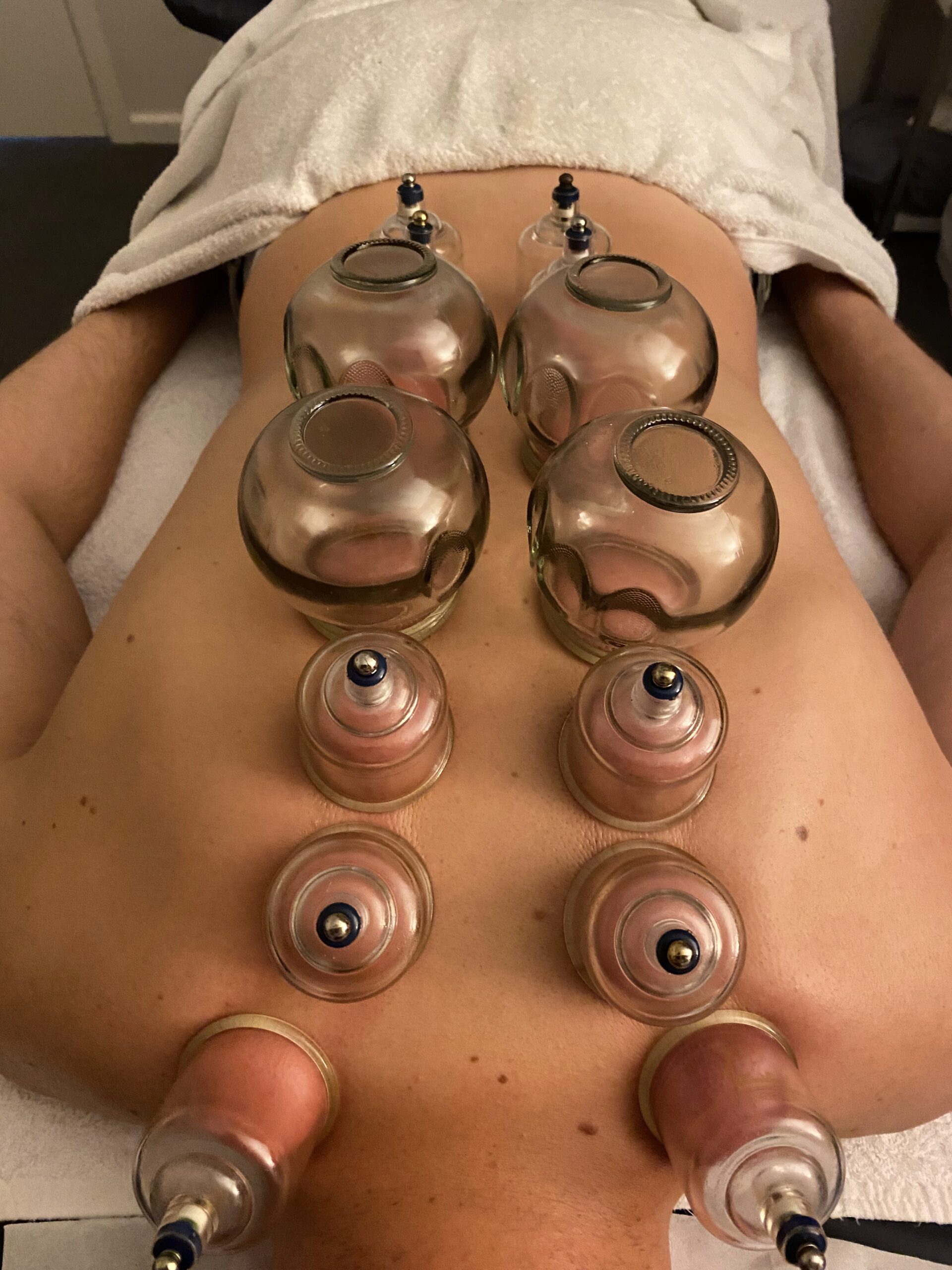
Acupuncture has been increasingly recognised as a complementary therapy for managing inflammation and associated pain. Examples include conditions like arthritis, bursitis, and tendonitis. Let's look at some scientific evidence about how acupuncture works in relation to inflammation and pain management.
Understanding Acupuncture and Inflammation:
- Modulation of Neurotransmitters: Acupuncture stimulates the nervous system. It triggers the release of neurotransmitters such as endorphins, which are the body's natural painkillers.
- Endorphins help to reduce pain perception and promote a sense of well-being, therefore providing relief from inflammation-related pain.
- Anti-Inflammatory Effects: Studies suggest that acupuncture has anti-inflammatory properties.
- Thereby, helping to reduce inflammation in affected tissues.
- By targeting specific acupuncture points, acupuncture may regulate immune responses and cytokine production, helping the recovery of inflammation.
- Improvement of Blood Circulation: Acupuncture promotes blood circulation to the affected areas.
- It facilitates the delivery of oxygen, nutrients, and immune cells to promote tissue repair and reduce inflammation.
Scientific Evidence:
- Arthritis: A meta-analysis published in the Journal of Pain found that acupuncture was effective in reducing pain and improving physical function in patients with osteoarthritis, a common inflammatory joint condition. (Vickers et al., 2012)
- Bursitis: Research published in the Journal of Acupuncture and Meridian Studies indicated that acupuncture was effective in relieving pain and improving functional outcomes in patients with subacromial bursitis, a type of shoulder inflammation. (Michaleff et al., 2017)
- Tendonitis: A systematic review and meta-analysis published in the Journal of Orthopaedic & Sports Physical Therapy concluded that acupuncture was beneficial in reducing pain and improving function in patients with chronic tendinopathy, including Achilles tendonitis and lateral elbow tendonitis. (Zhang et al., 2016)
Acupuncture for Inflammation: In the clinical setting
- Individualised Treatment: Acupuncture treatments are tailored taking into account, each patient's specific inflammatory condition, severity of symptoms, and overall health status.
- Combination Therapy: Acupuncture could be used in combination with other therapies, such as physiotherapy, osteopathy, dietary modifications and lifestyle changes, to manage inflammation comprehensively.
- Frequency of treatment: Acupuncture sessions can be designed around symptom management. As the symptoms improve, less treatment is required. Its common to begin with a short course of acupuncture with weekly treatments, then as the inflammatory symptoms subside, can be spaced apart to keep an eye on the post-acute phase and moving into long term maintenance to prevent recurrence.
How to bring it all together: Your Care Plan
- Consultation with a Registered Acupuncturist: It is essential to seek acupuncture treatment from an AHPRA registered practitioner. Even better, well trained and experienced in managing inflammatory conditions.
- Integration with Conventional Care: Acupuncture should complement, not replace, medical care for inflammatory conditions. It is essential to inform healthcare providers about acupuncture treatment as part of your broader care plan.
- Patient Education: Patients should be informed about the potential benefits and limitations of acupuncture for managing inflammation, as well as realistic expectations regarding treatment outcomes. Even while awaiting needed surgery, Acupuncture may be useful, just as a tool for pain management.
To sum up, Acupuncture offers a valuable adjunct therapy for managing inflammation. It may also aid associated pain in conditions such as arthritis, bursitis, and tendonitis. With its ability to modulate neurotransmitters, impart anti-inflammatory effects and improve blood circulation, acupuncture provides supportive approach to inflammation management. Backed up by scientific evidence, acupuncture continues to be a valid option for individuals seeking relief from inflammatory conditions.
References:
- Vickers AJ, Cronin AM, Maschino AC, et al. Acupuncture for chronic pain: individual patient data meta-analysis. Arch Intern Med. 2012;172(19):1444-1453.
- Michaleff ZA, Kamper SJ, Grieve SM, et al. Acupuncture for subacute neck pain: a randomized controlled trial. J Acupunct Meridian Stud. 2017;10(2):83-89.
- Zhang Y, Bao F, Wang K, et al. The effects of acupuncture on chronic knee pain due to osteoarthritis: a meta-analysis. J Orthop Surg Res. 2016;11(1):1-10.
Other posts about inflammation: